

Integrity is the foundation of everything we do. At Construction Consultants of South Florida, Inc., we believe that trust is earned through honesty, transparency, and accountability. We conduct every project with the highest ethical standards, maintaining open communication with our clients, partners, and stakeholders from start to finish. Our team is committed to making responsible decisions, honoring our commitments, and delivering engineering solutions that prioritize safety, compliance, and long-term value. We believe that strong relationships are built on integrity, and we strive to uphold that principle in every aspect of our work.

Who we are
High-Rise Building Engineering .
High-rise buildings are governed by forces that constantly compete with one another—gravity
pulling downward, wind pushing laterally, seismic energy driving motion, and time gradually
altering structural response over decades. We specialize in engineering the systems that control and
resolve these interactions, developing structural solutions for tall and complex buildings where
performance is governed by global behavior rather than isolated member design. Our work covers
the full lifecycle of high-rise structures, from early feasibility and system definition through detailed
structural design, dynamic wind and seismic analysis, foundation interaction, and long-term
performance assessment, as well as the evaluation and strengthening of existing towers. Each project
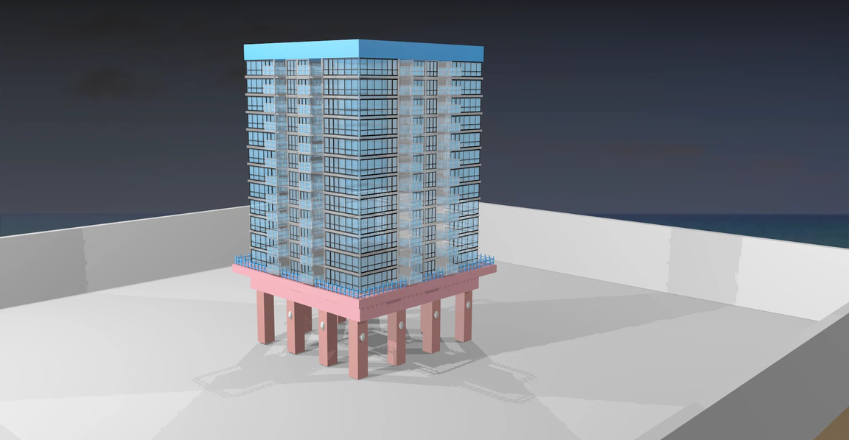
is treated as a unified structural system, where cores, perimeter framing, outriggers, and foundations
are designed to work together as a continuous load-resisting framework. Through advanced threedimensional modeling and performance-based analysis, we translate architectural intent into
structurally efficient, stable, and traceable engineering designs.
High-rise buildings operate as continuous structural systems where gravity, wind, seismic actions,
and long-term effects interact simultaneously across the full height of the structure. Our work is
centered on understanding and shaping that interaction from the earliest stages of design, where
system definition has the greatest influence on overall performance. Rather than treating structural
design as a sequence of isolated tasks, we focus on how the entire load-resisting framework behaves
as a single entity, from foundation interaction through to upper-level dynamic response.
At the core of our practice is the translation of architectural intent into structurally coherent systems.
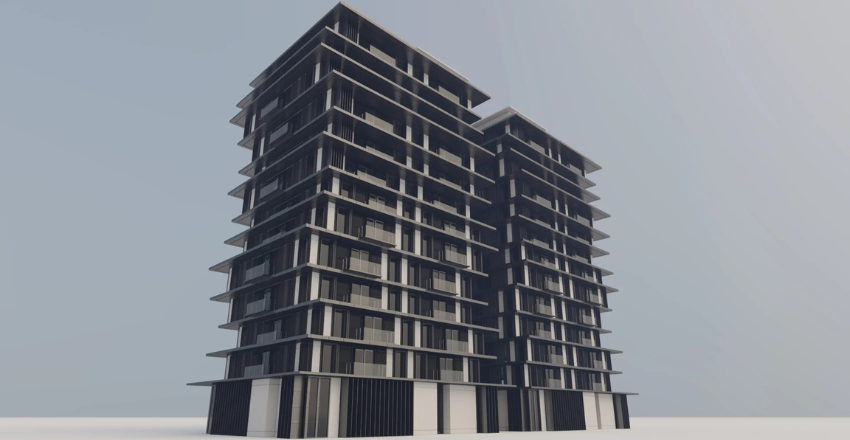
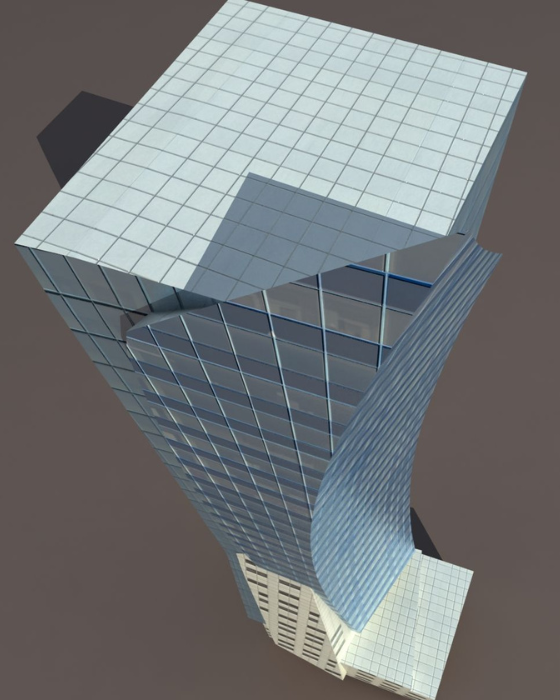
This involves interpreting complex geometries, offset cores, transfer conditions, and irregular floor
layouts into rational load paths and stable stiffness distributions. High-rise performance is governed
less by individual member capacity and more by how effectively the structure channels forces
through its vertical system. We focus on ensuring that this flow of forces remains continuous,
predictable, and efficient under all governing loading conditions.
CONSTRUCTION CONSULTANTS OF SOUTH FLORIDA, INC
Why Choose Us
Experience You Can Trust
Our team brings years of engineering expertise across a wide range of building types and construction methods.
Professional Expertise
Licensed engineering professionals committed to delivering technically sound solutions.
Client-Focused Approach
Every project is tailored to meet the client's goals, budget, and schedule.
Quality Assurance
Strict quality control procedures ensure reliable engineering documentation and construction oversight.

Our Services
What We Provide
Integrated High-Rise Engineering Services
Our engineering work spans the full spectrum of tall building design, from early feasibility
evaluation through detailed structural design, dynamic response assessment, foundation interaction,
and long-term performance evaluation. Each stage is treated as part of a continuous analytical
process rather than independent deliverables. Wind effects, seismic demand, and time-dependent
deformation are considered as primary design drivers, not secondary checks, particularly in slender
or irregular towers where serviceability often governs structural decisions.
The same analytical framework is extended into existing structures, where redevelopment or
strengthening requires a clear understanding of how the original system carries load and how that
system can be modified without disrupting global equilibrium. Across all projects, we maintain
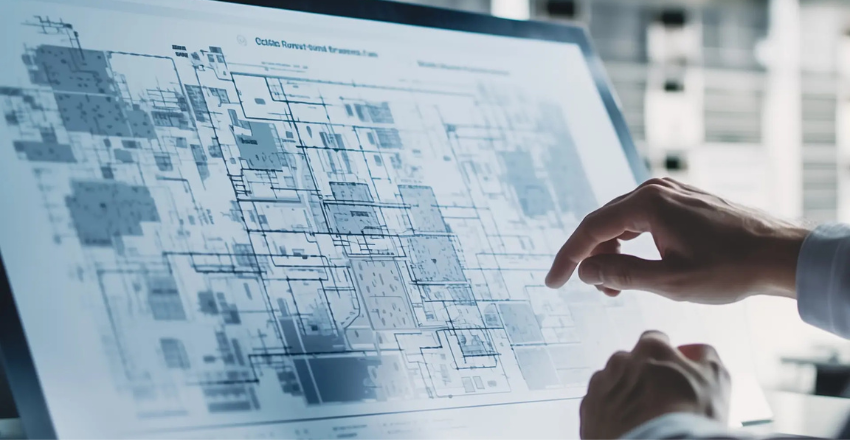
consistency between conceptual modeling, detailed finite element analysis, and final design
interpretation, ensuring that engineering decisions remain traceable throughout the development
process.
Engineering Methods
High-rise structural systems are sensitive to small variations in stiffness, mass distribution, and
geometry, which can significantly influence drift, torsional response, and long-term deformation.
Our methodology is built around identifying these sensitivities early and using them to guide system
definition rather than correcting them after detailed design has begun. This allows structural
behavior to be shaped deliberately at the system level, particularly in the interaction between cores,
perimeter frames, outriggers, and foundation elements.
We place strong emphasis on evaluating multiple structural configurations under consistent
analytical conditions. Instead of optimizing a single assumed solution, different systems are tested
against identical loading scenarios to understand how changes in configuration affect global
response. This includes variations in lateral system type, stiffness distribution, and vertical load
transfer strategy. The outcome is a clearer understanding of trade-offs between efficiency,
robustness, and architectural constraints.
WHy US
Why Choose Us

Integrity

Innovation
Innovation is at the heart of our engineering philosophy. We embrace new technologies, modern construction methods, and creative problem-solving strategies to provide smarter and more efficient solutions for every project. Our team continuously evaluates emerging industry trends, sustainable building practices, and advanced engineering software to improve project performance and reduce costs. By combining technical expertise with forward-thinking ideas, we help our clients overcome complex challenges, optimize building performance, and create structures that are prepared for the future. Innovation allows us to deliver practical, cost-effective, and sustainable engineering solutions that add lasting value to every project.

Excellence
Excellence drives our commitment to delivering engineering services of the highest quality. We continuously pursue improvement by applying industry best practices, advanced engineering techniques, and meticulous attention to detail. Every project is approached with professionalism, precision, and a dedication to exceeding client expectations. From the initial consultation through project completion, we focus on producing reliable, efficient, and innovative solutions that stand the test of time. Our pursuit of excellence ensures that every structure we help create is safe, functional, durable, and built to the highest standards.
Technical Documentation and Project Delivery
Each project is supported by structured technical documentation that captures not only results, but
the reasoning behind structural decisions. This includes clear definition of modeling assumptions,
load development methodology, system comparison studies, and interpretation of analysis output.
The intent is to make the structural logic transparent, allowing coordination with architects,
developers, and other engineering disciplines without ambiguity in how conclusions were reached.
Deliverables typically include design reports, analytical model summaries, system performance
evaluations, and supporting diagrams that illustrate load paths and structural interaction
mechanisms. Documentation is structured to support iterative design development, ensuring that
updates to geometry or loading assumptions can be consistently reflected throughout the analytical
framework. This creates continuity between early concept development and final structural
definition, reducing uncertainty and improving decision clarity across all stages of the project
lifecycle.